Put the observations in one place
- Photographs of stains, damaged finishes or previous openings, with dates if known.
- How often boiler pressure falls or when unexplained water use was noticed.
- Whether changes follow heating, bathroom use or rain.
- Details of earlier repairs, extensions and known pipe routes.
- Any previous survey findings, including tests that did not locate a fault.
You do not need to diagnose the leak before calling. Explain what you know and identify what is uncertain.
Discuss the areas the engineer may need to reach
ADI’s preparation guidance requires access to relevant rooms, meters and isolation points. Flag locked rooms, shared supplies, another flat or inaccessible valves when booking. Discuss parking and unloading arrangements with the office.
Identify cupboards, hatches and areas around the affected pipe route. Move manageable belongings where appropriate, but leave heavy units, appliances and fixed finishes for discussion. Do not make new inspection holes in advance.
Get instructions for your heating system
Tell the office whether you have radiators, underfloor heating or both, and whether leak sealant has been used. ADI’s preparation instructions differ between heating systems; ask what should be on or off before your visit and follow your booking instructions.
Do not use the pressures quoted in our case studies as settings for your own system. They describe tests on individual jobs, carried out by engineers.
Clarify what you are booking
Describe the problem and ask which investigation is proposed, what the quote covers, and how any access or repair work would be agreed. Mention tenants, landlords or others whose permission or attendance may be needed.
Check access, repairs and making good before the visit. If you are considering an insurance claim, ask your insurer about its own requirements rather than assuming a survey or repair is covered.
Read the report as a record of findings
ADI provides written findings and photographs that can be shared with an insurer. When reviewing the outcome, separate these questions:
- Which systems and areas were tested, and what could not be accessed?
- What evidence supports the identified leak location?
- Was the defect exposed, and what did the photographs show?
- Was a repair completed, was it temporary, and what retesting was recorded?
- What further investigation, drying or reinstatement remains?
Ask the office to clarify anything missing or ambiguous. This is a checklist for understanding your outcome, not a promise that every report has the same format.
A useful result includes the limits
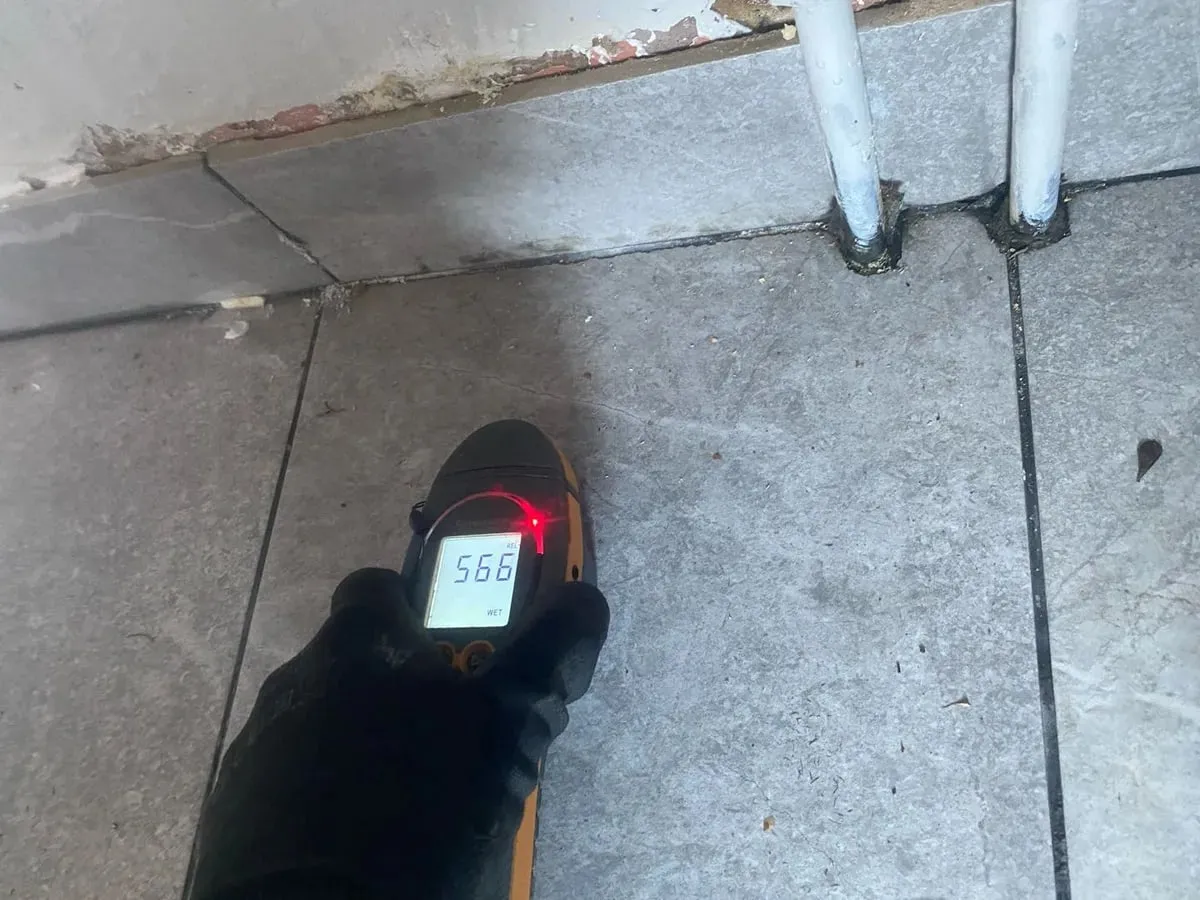
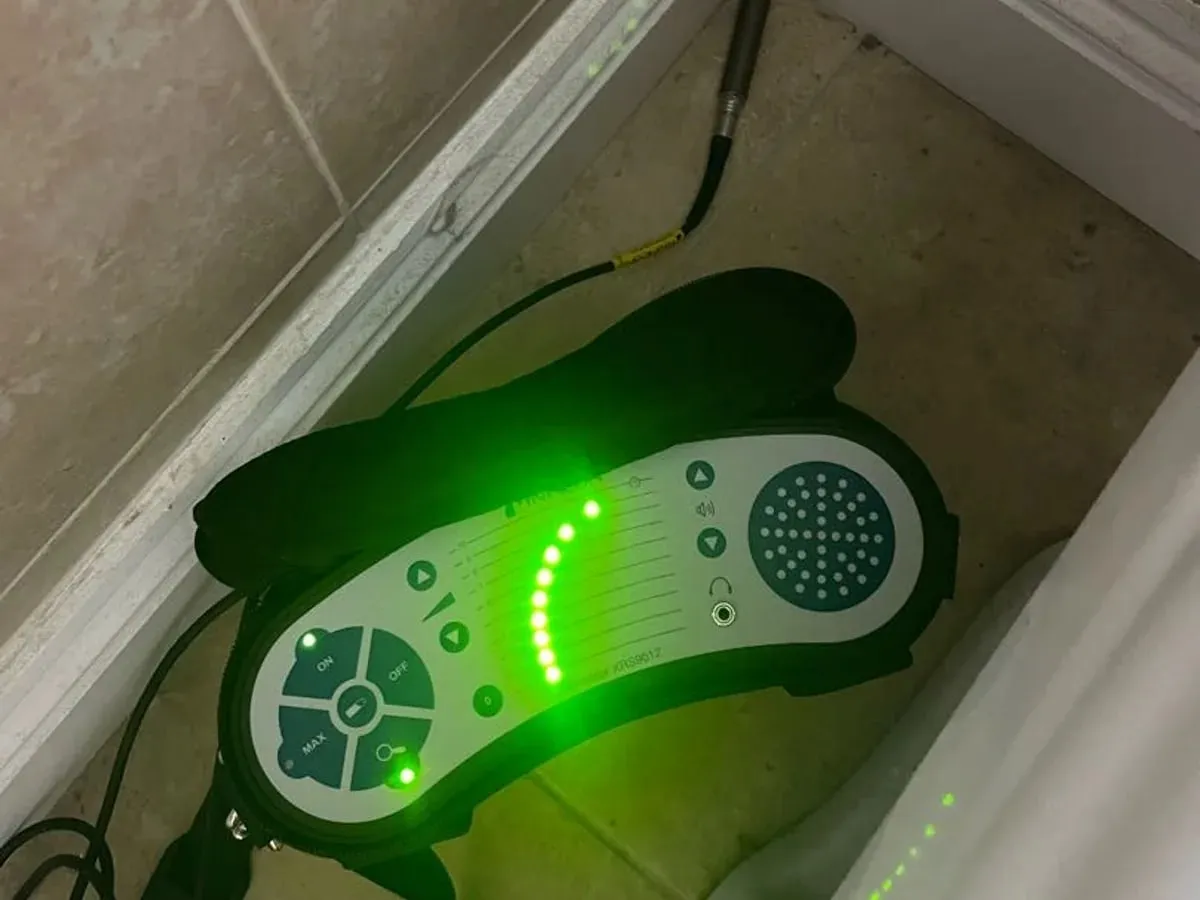
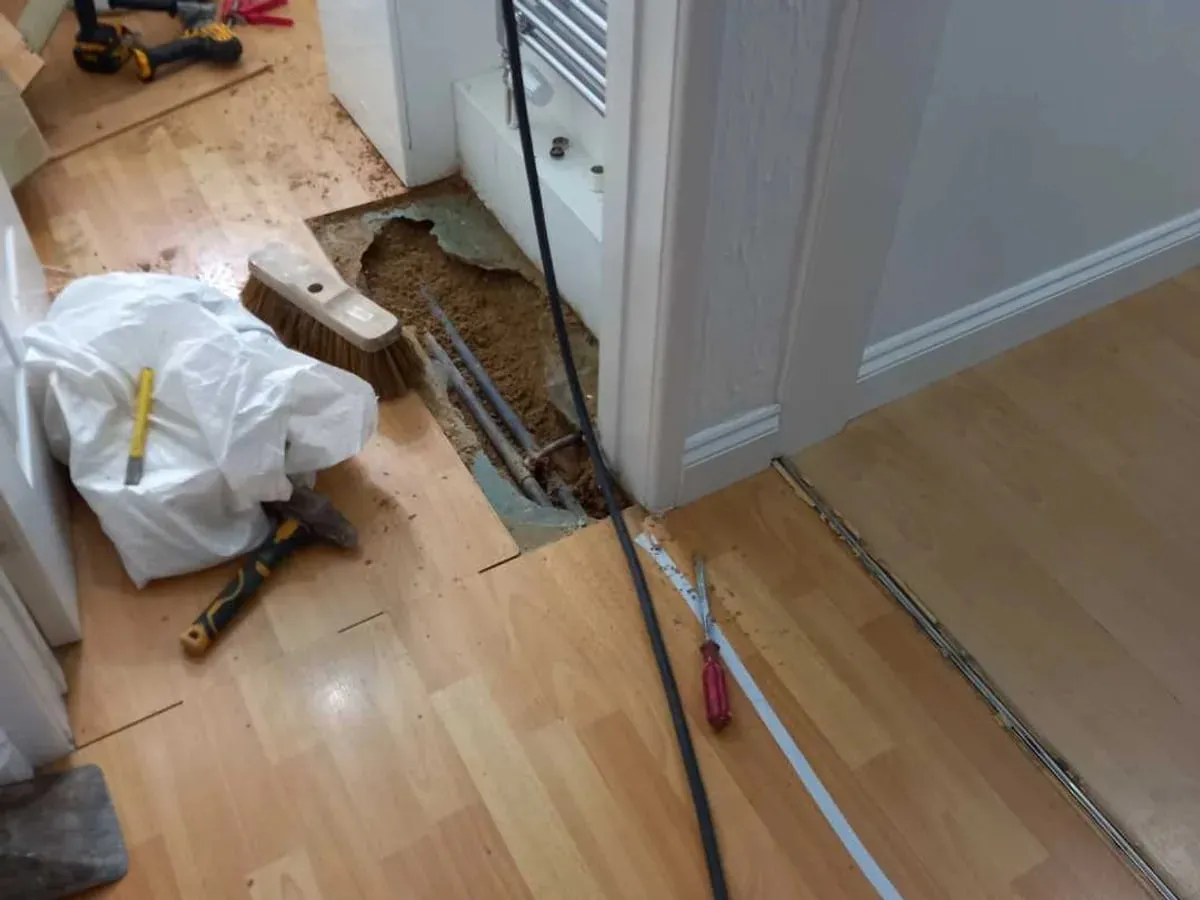
The March record gives a specific post-repair test result. Billingshurst records a temporary repair and outstanding permanent work. East Dereham explains why two openings were needed after the initial tests were inconclusive.
These are different outcomes. Keeping the limits alongside the successful find helps you plan the next step for your property.