Start with the symptoms
A moving water meter, falling boiler pressure and a damp ceiling point to different investigations. The engineer asks when the problem started, checks accessible fittings and works out which water or heating circuit could be involved. Condensation, rainwater and an overflowing appliance can also leave damp patches.
Check which pipe or circuit is losing water
Where the system allows it, individual sections can be isolated and pressure tested. This helps separate a supply pipe problem from internal plumbing, or one heating loop from another. Pressure loss needs interpreting alongside the condition of valves and test connections.
Follow the route and the spread of water
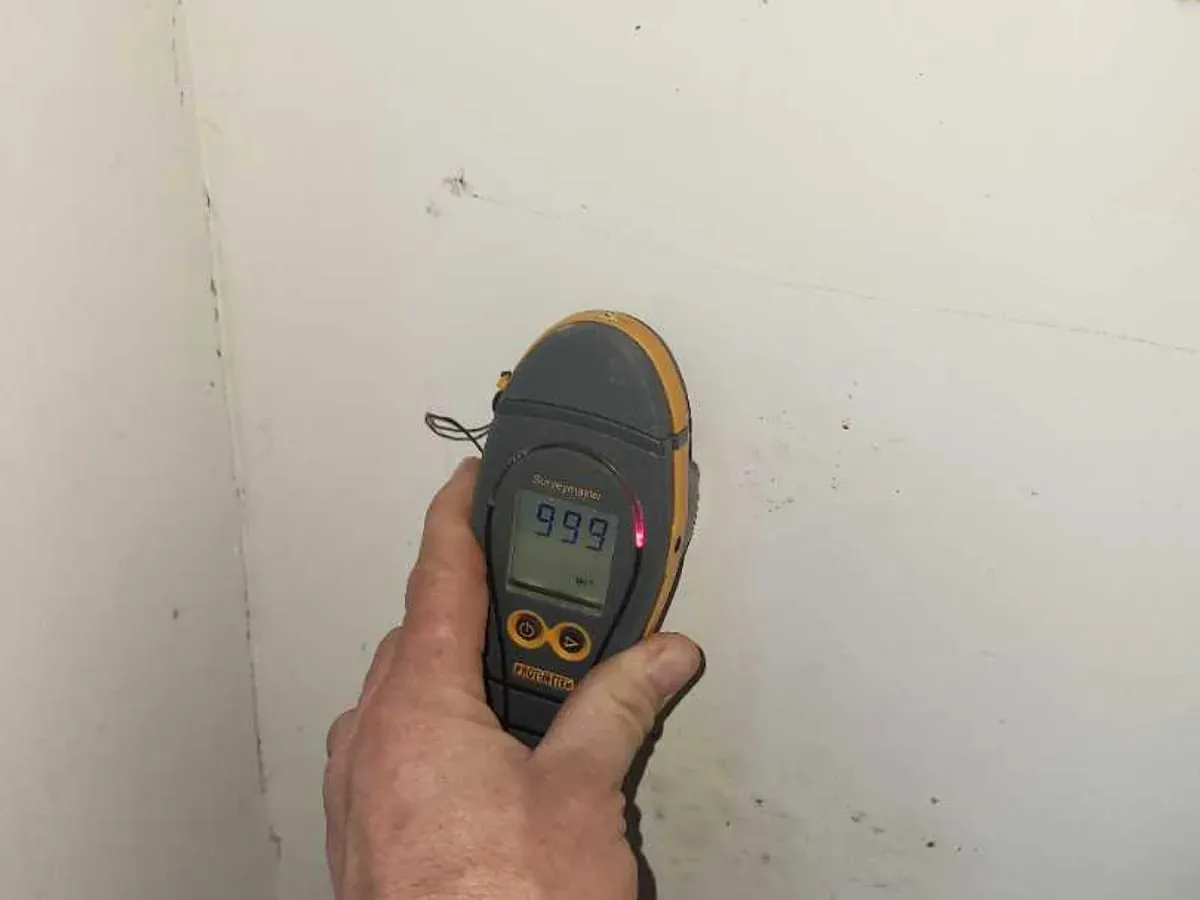
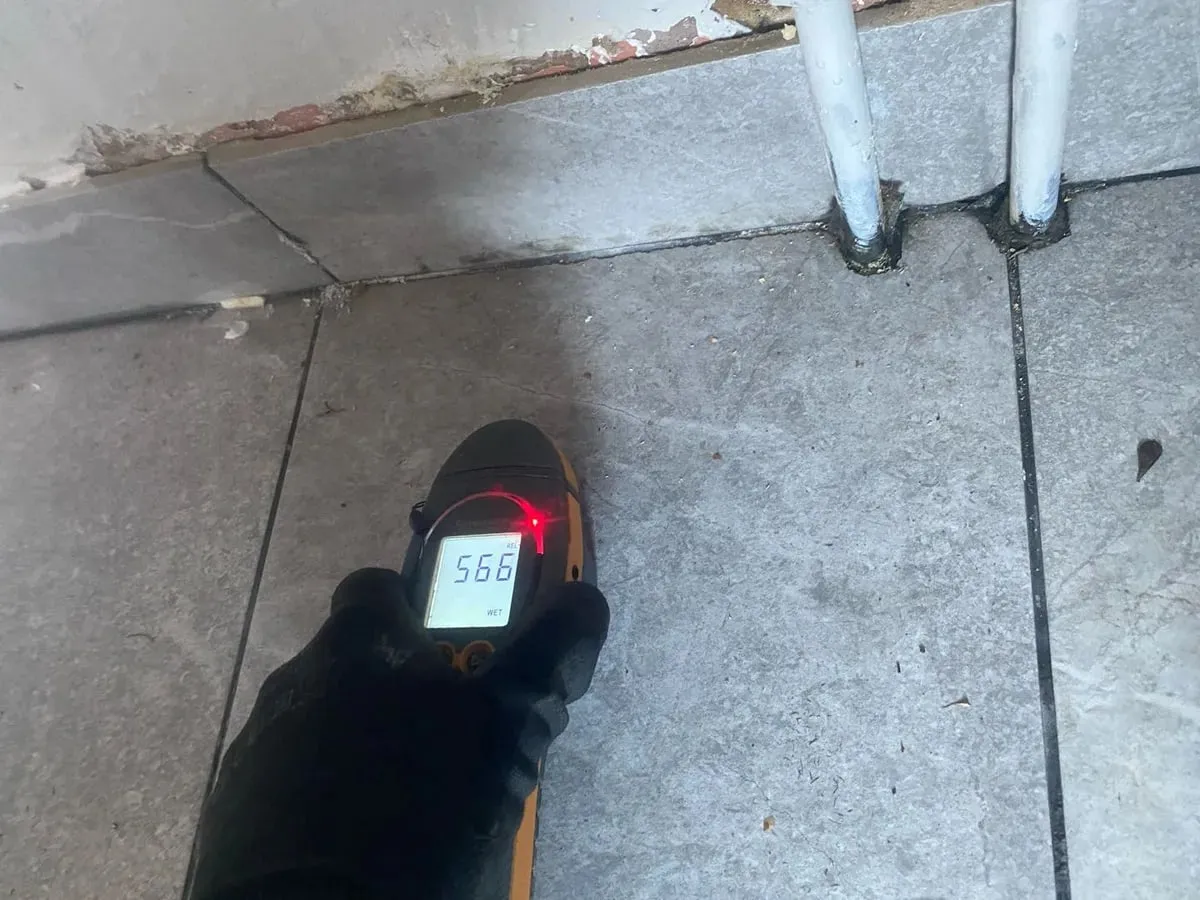
Moisture readings help map the affected wall or floor. A thermal camera records surface temperature differences, which can help trace warm pipe routes and areas affected by moisture. Neither instrument can see through a wall or identify every leak on its own.
Narrow the search with suitable detection methods
A ground microphone can pick up the noise of a pressurised leak beneath a floor or drive. If the leak is too quiet, or the pipe carries little sound, tracer gas testing may provide another clue. Gas introduced into suitable isolated pipework can escape at the defect and be detected at the surface. Access, floor construction and the route the gas takes affect the result.
A borescope can help inspect an accessible void through an existing opening or an agreed small access hole. The equipment guide explains what each instrument contributes.
Compare the evidence before opening up
Water can travel along a joist or beneath tiles before it becomes visible. Engineers compare the suspected pipe route, moisture pattern and detection readings to select the area to investigate. Further tests may be needed when the results disagree.
Discuss access, repair and the report
Locating a concealed leak aims to reduce exploratory damage. Repair will usually need access to the pipe, and the size of the opening depends on the construction and the work required. Discuss the proposed access and repair with the engineer before work starts. ADI provides a report of the investigation and findings, with photographs, which you can share with your insurer.