Fitted units hide the pipe and the evidence
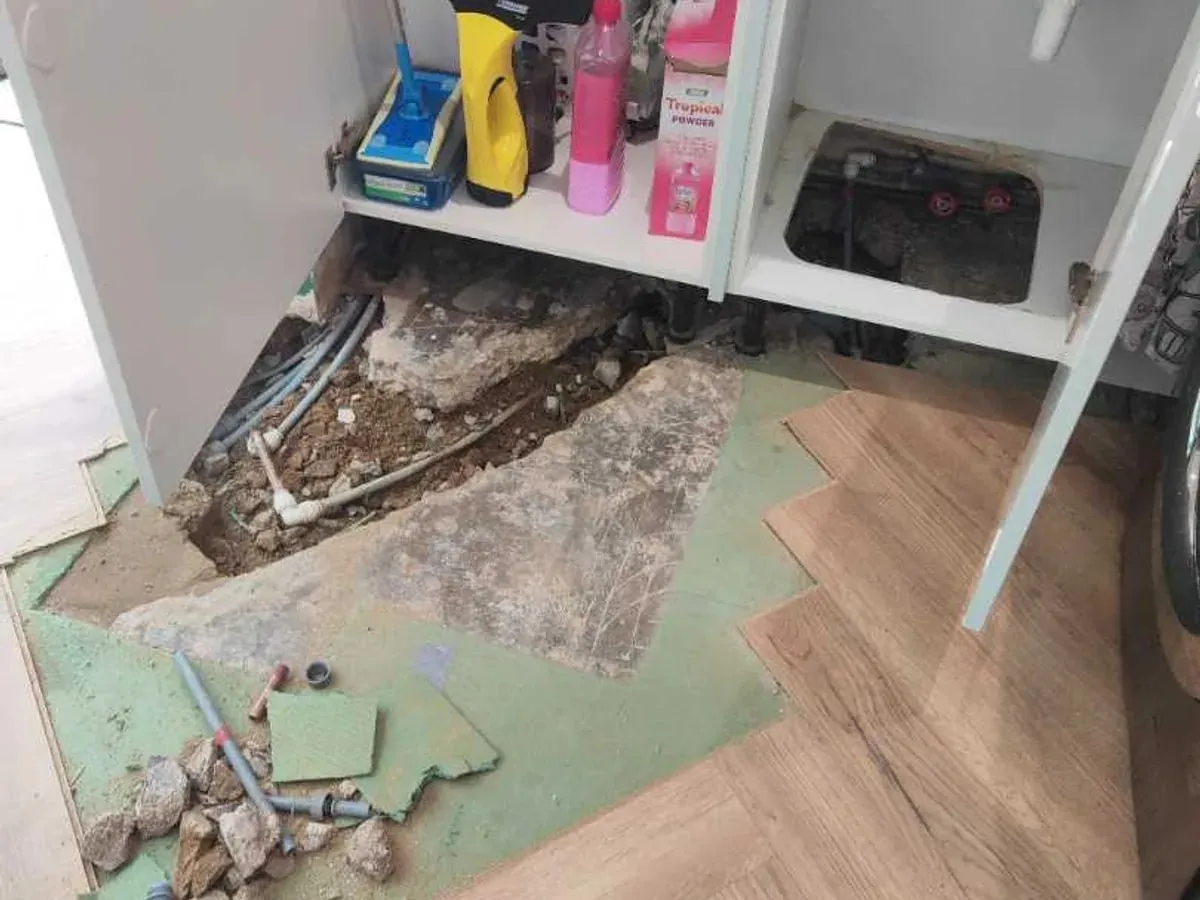
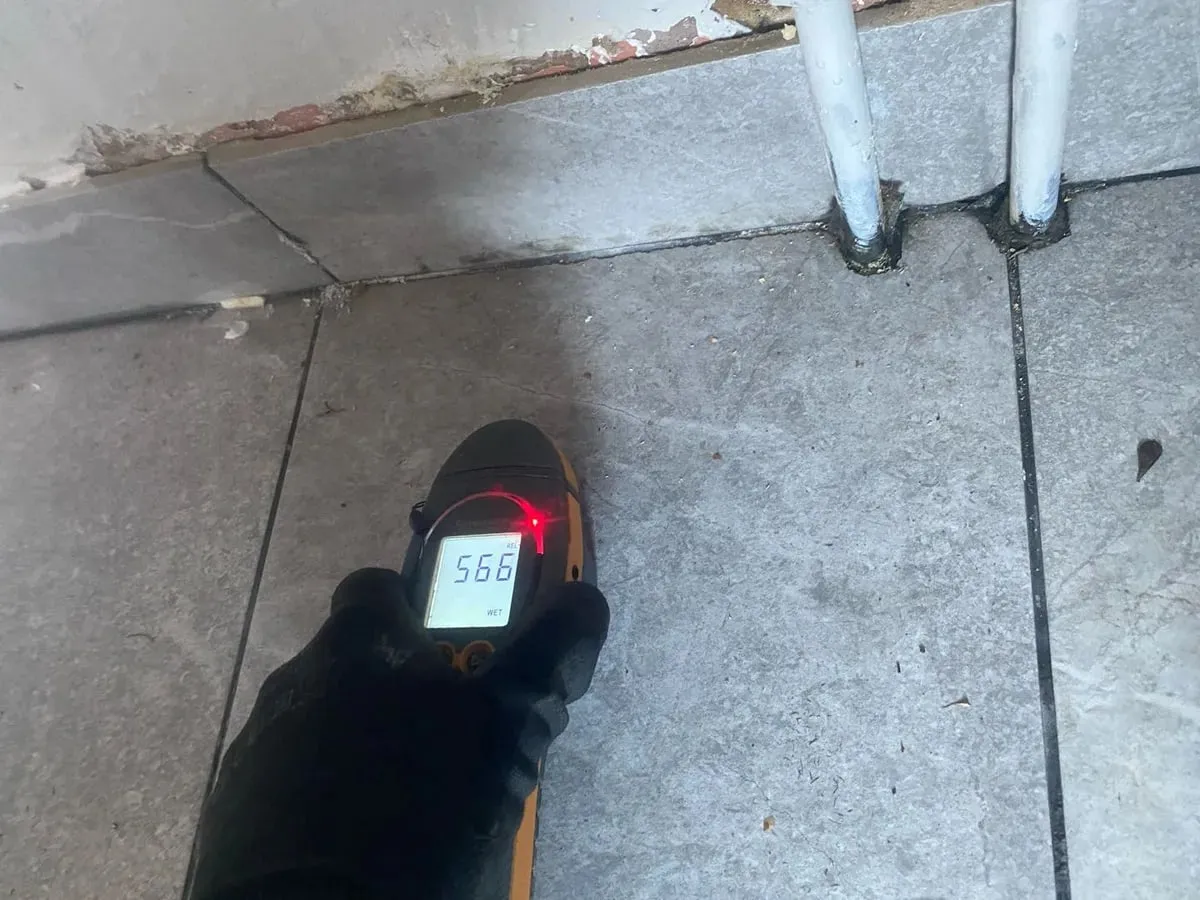
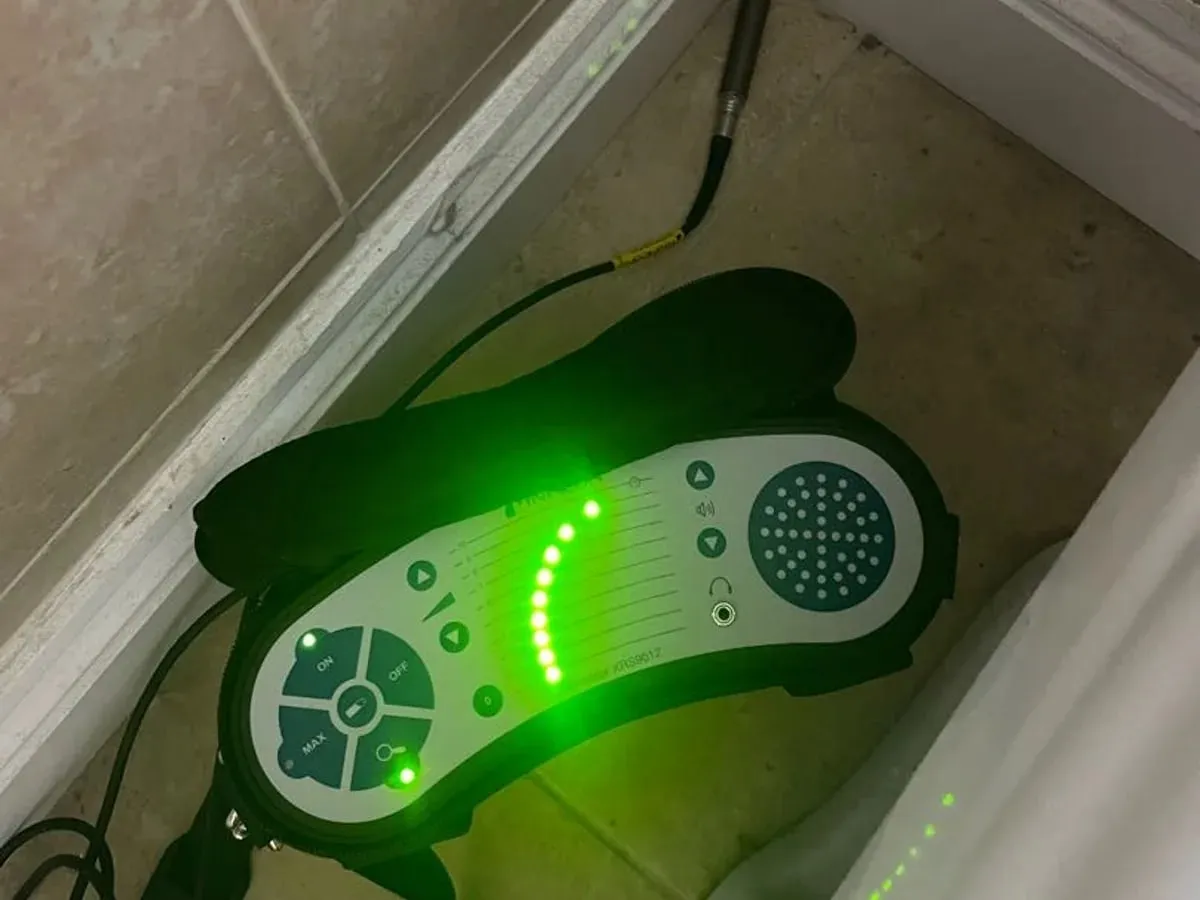
A sink unit, a washing machine space or a run of boxing can cover the pipe and the first signs of water. In Hull, the meter showed a constant flow, and thermal imaging and moisture readings pointed to the area beneath the sink before anything was opened. In March, the meter was recording around 5 to 7 litres an hour with no surface water, and the high readings were behind the washing machine.
When you describe the problem, say what sits in the affected area: units, appliances, a boxed-in pipe or a tiled floor. It helps the office plan the visit.
Moving a unit or fixture can be part of the access
Getting to the pipe can mean taking out more than a floorboard. In Billingshurst, the toilet was removed so the tiles and concrete above the heating pipe could be opened. In Hull, the flooring, screed and the base of the sink unit came out. In Lowestoft, laminate and chipboard were lifted and a camera checked the hidden route before the supply connection was repaired.
Ask the engineer what would need moving or disconnecting, and agree it before the work starts. Do not take units apart yourself to get ready for the visit.
One room can hold more than one fault
Finding one leak does not always explain everything. In March, three leaks were found on the same hot water pipe beneath the washing machine, and further testing after the first two revealed the third. In Hull, a leaking elbow under the units was exposed first, then step testing led along the pipe to a separate pinhole. In Southampton, a fault in the kitchen wall and a poorly installed fitting under the bathroom basin were two separate leaks, and both were repaired and retested.
Ask what the retest after the repair showed. A pressure test that holds, or a meter that stops, tells you more than the first find on its own.
Ask about a way back in
The Hull record recommended leaving access beneath the unit and considering a removable floor hatch, so the new fittings could be reached again. In Exeter, the failed heating fitting was inside kitchen boxing, and a camera confirmed pipework there before the boxing was opened.
If pipework runs behind fitted units in your home, it is worth asking whether a panel or hatch can be left where the repair was made.
The repair and the refit are separate jobs
Repairing the pipe does not dry the floor or put the kitchen back together. The March and Hull records both recommended drying before making good. In Billingshurst, the repair was temporary and a permanent copper repair was recommended. None of these records show the floors, tiles or units being reinstated as part of the leak repair.
Agree who will dry the area and who will refit the units and finishes. Read how access and repairs are agreed for the questions to ask.